The Flowaid Standard is more than a framework. It is a team, a practical approach and a commitment to doing things better.
We developed The Flowaid Standard because we have seen what can happen when everyday health, hygiene and personal needs are overlooked - particularly in workplaces where access, privacy and support can be difficult to get right.
We bring together a practical framework, implementation workshops, accessible education and resources, ongoing support and an evidence-based Certification pathway.
The Flowaid Standard™ provides the benchmark. Our broader approach helps organisations understand it, apply it and embed it into everyday work.
We believe people should be able to access the health, hygiene and dignity resources they need to participate safely and confidently at work - wherever, whenever and however they work.
~ Who We Are.

The Flowaid Standard was developed in response to a gap between workplace expectations and operational reality - particularly where everyday health, hygiene and personal needs have received limited attention or been managed informally.
Many workplaces have strong systems for physical safety and other areas of workforce wellbeing. But not every need has received the same planning, understanding or consistency.
Our role is not to assume organisations already have the answers. It is to help them understand the issues, identify gaps and build the capability and systems to address them.
Because ‘that’s how it has always been done’ does not mean it is the best way to support people.
~ Why The Flowaid Standard Exists.
~ What We Mean by Dignity.
Dignity at work is about having the ability to manage everyday health, hygiene and personal needs with privacy, confidence and without unnecessary barriers.
The Flowaid Standard recognises needs that can affect how people experience and participate at work when they are not well understood or supported.
This includes areas such as period care and menstrual health, menopause, continence and incontinence, and other essential hygiene and personal needs.
Some of these needs may not have been widely understood or openly discussed in every workplace, particularly in traditionally male-dominated environments. As workforces become more diverse, there is an opportunity to build that understanding and ensure workplace systems keep pace with the people they support.
Education is an important part of that change - helping people understand needs they may not have previously needed to consider and creating greater confidence to support them.
~ Built for Operational Reality
The Flowaid Standard™ applies across:
Remote and isolated workplaces
FIFO and mobile workforces
Industrial and high-risk operations
Multi-site and geographically dispersed organisations
The Standard has been intentionally designed to integrate alongside existing operational and safety systems, supporting organisations to strengthen:
Workforce dignity
Psychosocial risk management
Inclusion and participation
Workforce confidence and trust
Operational consistency
~ Built for Real Workplaces.
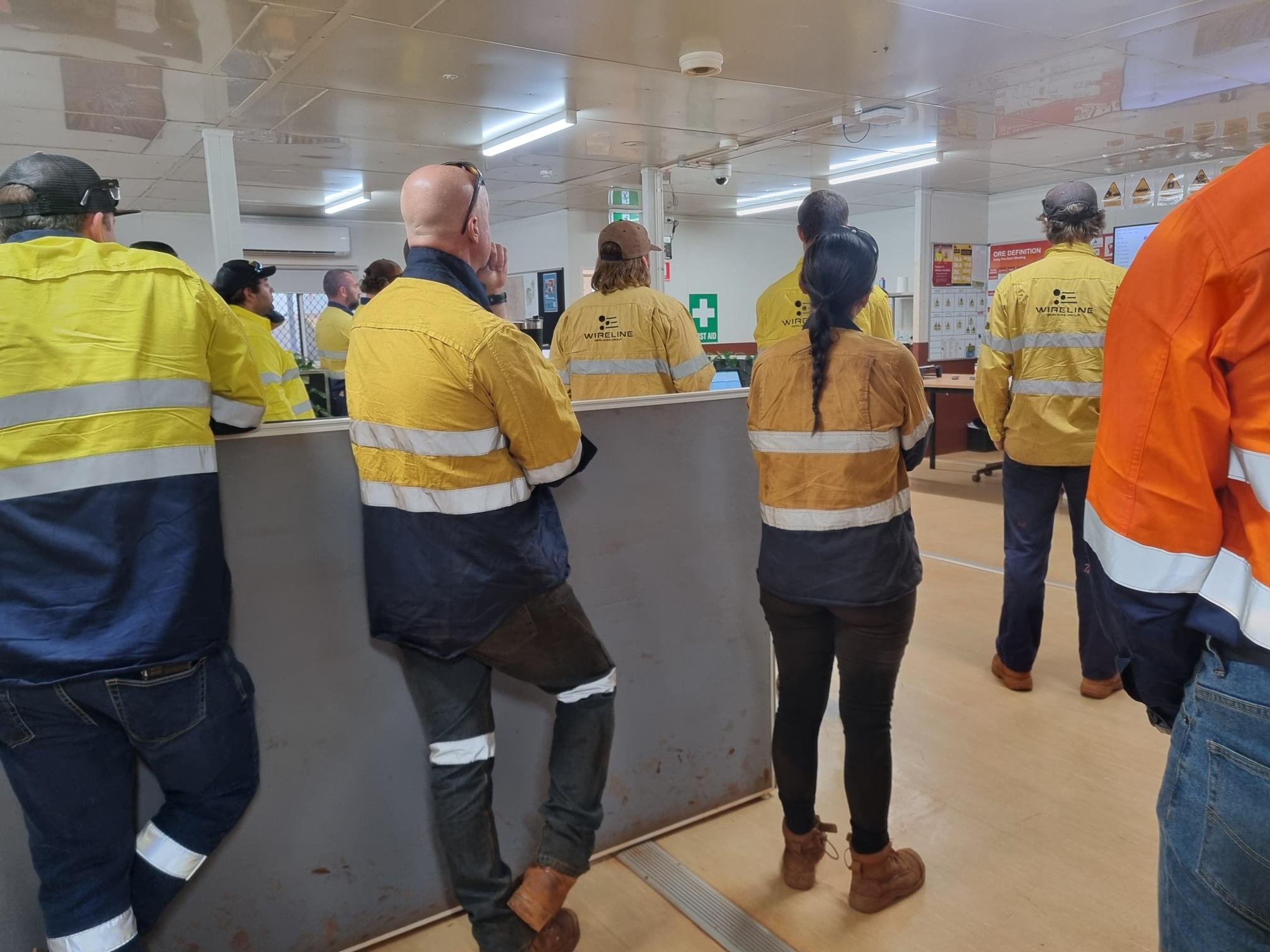
The Flowaid Standard™ is designed for workplaces where access and consistency can be difficult to achieve, including remote and isolated workplaces, FIFO and mobile workforces, industrial and high-risk operations, shift-based environments, multi-site organisations and workplaces with changing workforce needs.
It is equally relevant to organisations taking their first steps, as well as those already doing great work and looking to strengthen, demonstrate or champion their commitment to workplace dignity, health and hygiene.
Every organisation starts from a different place. Some may be identifying gaps and building new systems; others may already have strong practices in place and want to help drive broader change.
The opportunity is the same: understand what people need, share what works, remove avoidable barriers and contribute to workplaces where everyone can access the support they need